

Audition Technology

Onboard
Ear -Brain-Heart connection
-
Ear and hearing, earwax, balance
-
Connection to brain
-
Connection to heart
Understanding these connections helps you to effectively use your hearing aids

Image credit: NIH
Ear is the organ responsible for hearing
Hearing is a complex process. Sound waves in the air are changed into electrical signals. The brain reads these signals as speech, music and other sounds.
Outer ear
-
Sound waves enter outer ear, travel through ear canal, which leads to eardrum
Middle ear
-
Eardrum vibrates, sends vibrations to 3 tiny middle ear bones-malleus, incus, stapes
-
Bones increase sound vibrations and send to cochlea that is filled with fluid
Inner ear
-
Waves are formed in the fluid that travel along basilar membrane of snail-shaped cochlea
-
Hair (sensory) cells, on top of basilar membrane, detect sound and move up and down
-
Microscopic hair-like projections (stereocilia), on top of hair cells, open up
-
Chemicals rush in creating an electrical signal
Auditory nerve
-
Carries electrical signal from the inner ear to the brain
-
Brain interprets the electrical signal as sound and assigns meaning that you recognize and understand
Hearing loss is generally caused by damage and eventual death of hair cells
-
This is known as Noise Induced Hearing Loss (NIHL)
-
It is the most common type of hearing loss
-
It gets worse with age
-
It is permanent as there are no approved drugs to grow back hair cells
-
It can worsen with time if hearing health is not maintained
The hearing aids are programmed to generate the lost signals and need to be worn daily for the brain to learn the new sounds
Ear is protected by earwax
It is produced and naturally removed by the ear
-
It cleans, lubricates, protects ear canal from bacteria, fungus, other germs, small objects
-
It also protects the delicate skin of the ear canal from getting irritated when water is in the canal
-
Body disposes earwax it no longer needs
-
Chewing, other jaw movements, and skin growing inside the ear pushes old earwax out naturally
Earwax can build up with wearing hearing aids
-
Natural earwax removal is disturbed
-
The ears may produce more wax as it considers the hearing aid as a foreign object
-
Earwax lowers the output of hearing aids and can damage the aids
Regular checking and removal of earwax and cleaning of the hearing aids is necessary for their proper functioning and for maintaining your ear health.
Ear also maintains balance by working with eyes and legs
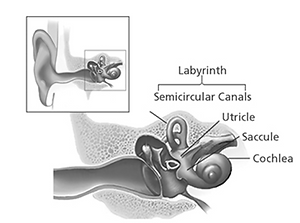
Vestibular system
-
It is in the inner ear and is made of bone and soft tissue
-
The semicircular canals contain three fluid-filled ducts with stereocilia
-
When head is turned, the fluid moves, bends the stereocilia and sends nerve signal to brain
-
Between the semicircular canals and the cochlea are fluid-filled pouches called utricle and saccule
-
The stereocilia in the utricle and saccule tell the brain of the position of the head with respect to gravity, such as sitting up, leaning back, or lying down and movements such as side to side, up or down, forward or backward
-
Proper ear functioning is important to control the position of your body and maintain balance
Regular use of hearing aids plus treating vision problems and maintaining good muscle strength helps you to maintain balance
Red Flag symptoms need to be detected early and checked with an ENT (Ear-Nose-Throat) specialist
-
Your ear has a birth defect or unusual shape. Your ear was injured or deformed in an accident
-
You saw blood, pus, or fluid coming out of your ear in the past 6 months
-
Your ear feels painful or uncomfortable
-
You have a lot of earwax, or think something could be in your ear
-
You get really dizzy or have a feeling of spinning or swaying (called vertigo)
-
Your hearing changed suddenly in the past 6 months
-
Your hearing changes: it gets worse then gets better again
-
You have worse hearing in one ear
-
You hear ringing or buzzing in only one ear

Brain processes the sounds transmitted by the ears for you to hear
-
It is the center of intelligence and interprets all senses including sound
-
Nerve cells called 'Neurons' send and receive electrical and chemical signals; neurons are connected by neural circuits
-
Neural circuits are information pathways for hearing and understanding sounds
With hearing loss, brain can 'forget' sounds
-
No longer being sent by the ears
-
It needs to work harder to hear and fill in the gaps - making you feel tired
With hearing aids, the brain needs to relearn the sounds
-
Recognize and understand the new sounds generated by the aids
-
This process can take time - and you need to give your brain an adjustment period
Hearing aids restore the sending of 'lost' sounds and the brain needs time to adjust to the new sounds
The more regularly you wear your hearing aids, the faster your brain will adjust to hearing new sounds.

Heart pumps blood with oxygen and nutrients to the ear and brain
-
It has two sides, each with a top chamber (atrium) and a bottom chamber (ventricle)
-
The right side pumps blood to the lungs to pick up oxygen
-
The left side receives blood rich with oxygen from the lungs and pumps it through arteries throughout the body - including the ear and the brain
Heart health is important for your hearing and brain health that, in turn, support the hearing aids to work their best